The Pretty Girls From the Smallest Towns
“Birthday Boy” is a profound tribute to women who take care of immature men.
Mundane Mayhem is a reader-supported publication, so please consider supporting my work by becoming a paid subscriber. Subscribe below or forward this email to your friends!
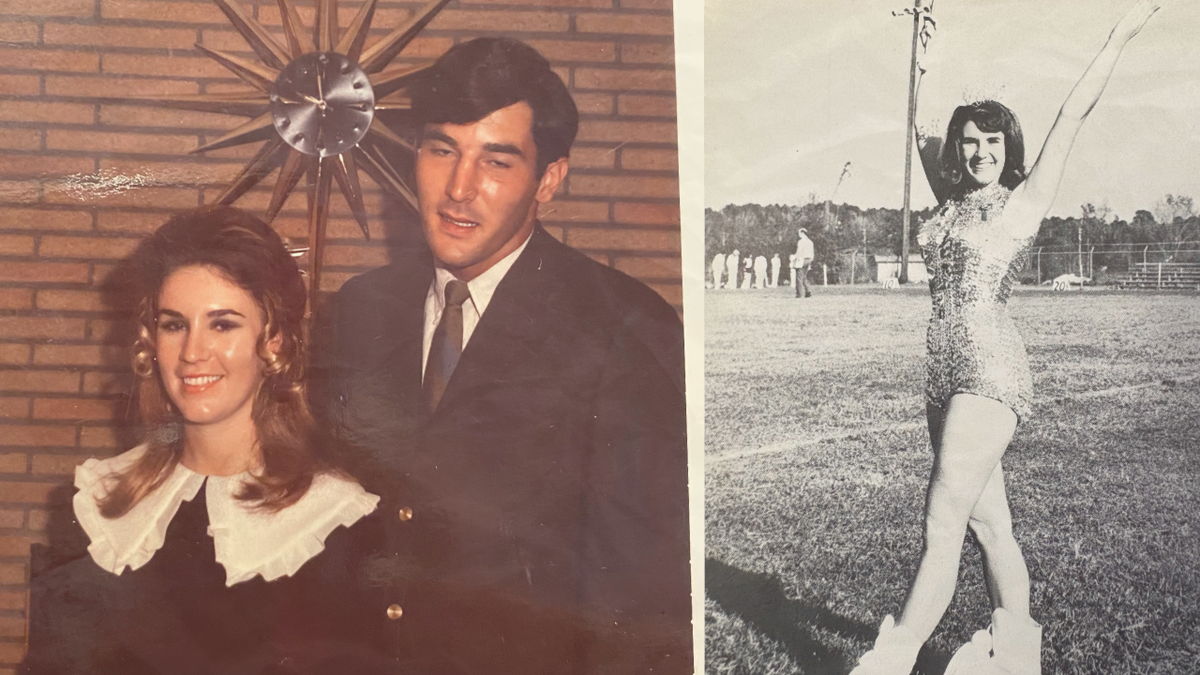
When my mom was 15, she had what she calls her “two red Corvette summer.” Over two glorious months, she dated two guys who drove her dream car: a Texan named Bob, who worked in the nearby oil fields, and a professional football player, Jerrel “Thunderfoot” Wilson.
My mom grew up in Lumberton, MS, population 2,000, so when someone new moved into town, people noticed. She heard tell of Bob before she met him while sitting on the porch shelling field peas. Apparently Bob didn’t leave a big impression, but she remembers Jerrel fondly. He was fun, happy, outgoing, and a gentleman.
Years later, she asked her dad if he ever worried that she was too young to be dating a pro football player. He replied something like, “I knew you’d eventually realize you were too smart for him.” Toward the end of their courtship, Jerrel gave my mom an autographed football and a photo signed, “Truely, Jerrel.”
When I first heard this story, it floored me. How does a 15-year-old girl living in rural Mississippi end up dating a professional football player? Because his parents moved in across the street, and because she was the pretty girl from the smallest town.
Which brings me to “Birthday Boy,” a Drive-By Truckers song by Mike Cooley that is clever, cryptic, and profound. Of all the lyrics that Cooley has written, this verse in “Birthday Boy” might be my favorite:
“The pretty girls from the smallest towns
Get remembered like storms and droughts
That old men talk about for years to come
I guess that’s why they give us names
So a few old men can say they saw us rain when we were young”
 jpowderly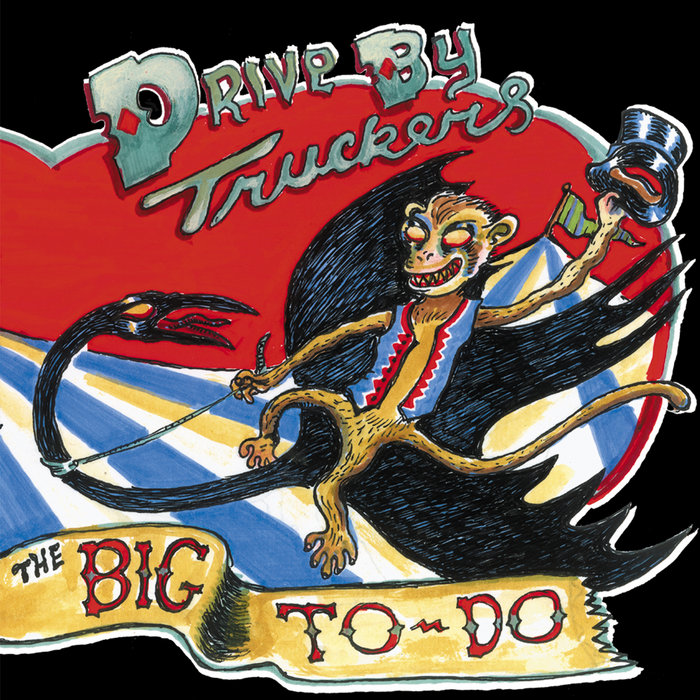
With wordplay that swirls around itself, “Birthday Boy” imagines a world where, all across hurricane country, washed-up old timers sit around reminiscing about the pretty girls they once spent a summer with. The girls whose pull felt like a storm that rained and reigned.
Some of them, like my mom, end up leaving their dead-end towns and finding a more fulfilling path. But other pretty girls, like “Miss Trixie” in the song, are stuck where they have always been, in a job they hate, taking care of damaged and immature men.
 Nancy Einhart
The lyric “let Miss Trixie sit up front” is a reference to the movie Paper Moon, where Madeline Kahn plays a sex worker named Trixie Delight, who delivers the line “let old Trixie sit up front with her big tits.” (That quote is part of a truly elite monologue that my mom and I have quoted to each other regularly for decades.)
Before we even hear the “Miss Trixie” reference, it’s clear that “Birthday Boy” tells the story of a highly competent but very irritated stripper. Her name isn’t technically Miss Trixie, but I’ll call her that for clarity. She has seen all of this shit before, and she doesn’t think it’s cute. She’s exhausted. “Sit your narrow ass down” is easily something a stripper said to Cooley once (or to my husband, who also has a large nose and a skinny ass):
“Which one’s the birthday boy?”
she said, “I ain't got all night
What'd your mama name you?”
“You can call me what you like.”
“Every skinny mystery gotta make it hard somehow
Sit your narrow ass down hot shot
I'll solve yours right now.”
Miss Trixie can tell which men have girlfriends (nervous), who is married (they don’t ask how much), and which guys are single (they aren’t buying lap dances). She has lost patience for skinny smart asses. She is there to wipe your nose, whether you’ve been crying or you did too much blow or you just need a goddamn caretaker. Decades of emotional labor have taken a toll on her spirit.
Then the song takes a sharp turn, musically and lyrically. So far, the titular birthday boy has narrated, relating what this put-upon woman is saying. She ain’t got all night. But as we carom into the bridge, the mood gets angrier, and the perspective shifts accordingly.
Now it’s Trixie talking, or maybe Trixie’s friend, or any woman who has pretended she was having a good time when she wasn’t, or any woman who tolerated sex when she didn’t really want to have it. So, most women.
“Working for the money like you got eight hands
Flat on your back under a mean old man
Just thinking happy thoughts and breathing deep
Between your mama's drive and daddy's belt
It don't take smarts to learn to tune out what hurts more than helps”
Just a few beats later, my favorite lyric hits, the one about the pretty girls in the smallest towns. Then, like the storms we name, the song cycles and repeats. We return to Trixie, still bored and annoyed, asking who the “birthday boy” is.
Nancy Einhart
My mom was the pretty girl in the smallest town. Her mom was too. All of us – my mom, her mom, me – were also the smart girls. When Cooley sings “I guess that’s why they give us names,” he’s not just making a clever analogy to storms and droughts. He is expressing the desire of pretty girls and bored strippers everywhere not to be treated as mere objects in other people’s stories, but as people with our own names and complicated histories.
I started a new freelance gig this week and didn’t get to spend as much time on this newsletter as I would like. It feels like I’m giving one of my favorite songs short shrift, so maybe I’ll revisit it in a later issue. Meanwhile, I’m taking next week off, so I’ll be back with another newsletter the first week of February. Until then, love each other, motherfuckers!